Alaskan Birch Syrup: A Taste of the Wild North
Deep in the forests of Alaska, where birch trees stand tall against long winters and short, vibrant summers, nature offers a remarkable seasonal treasure: Alaskan birch syrup. Rich in flavor, rooted in tradition, and produced in limited quantities, birch syrup is one of the North's most distinctive natural delicacies.
Often compared to maple syrup, birch syrup has a personality all its own. Its complex flavor, small-batch production, and connection to Alaska's wild landscapes make it an exciting discovery for food lovers, adventurous cooks, and anyone interested in locally sourced ingredients.
What Is Alaskan Birch Syrup?
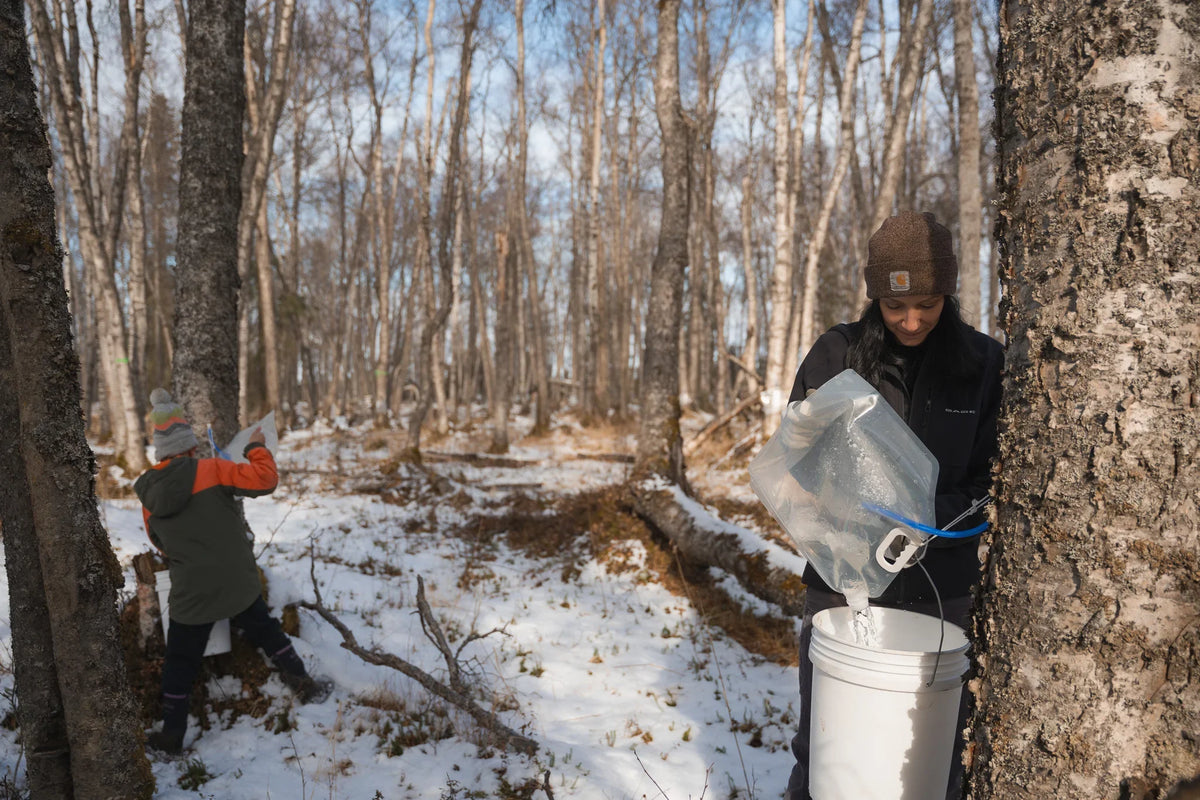
Alaskan birch syrup is a natural sweetener made from the sap of birch trees. Each spring, as temperatures rise and the ground begins to thaw, birch trees draw on their stored resources to support new growth. During this brief period, producers collect the flowing sap and carefully transform it into syrup.
The process requires patience. Birch sap contains considerably less sugar than maple sap, meaning producers must evaporate large quantities of water to create a concentrated syrup. This makes birch syrup a labor-intensive product that often comes in limited seasonal batches.
The result is a flavorful syrup that captures a little of Alaska's character in every drop.
What Does Birch Syrup Taste Like?
One of the most fascinating things about birch syrup is its distinctive taste. While maple syrup is known for its familiar sweetness and buttery notes, birch syrup is often more complex, with a deeper, more savory character.
Depending on the birch species, production method, and degree of concentration, its flavor may include notes of:
- Caramel and molasses: Deep, rich sweetness with a dark finish.
- Toffee and toasted sugar: Warm, rounded flavors that develop during evaporation.
- Earthy and woodsy tones: A subtle reminder of the forests where the sap originates.
- Tangy or fruity notes: A pleasant brightness that balances its richness.
Birch syrup is generally less straightforwardly sweet than maple syrup. Its complexity makes it particularly appealing for recipes that benefit from a balance of sweet, savory, and acidic flavors.
How Is Birch Syrup Made?
Producing Alaskan birch syrup is a seasonal craft shaped by the region's climate.
1. Spring sap collection
As winter gives way to spring, producers monitor temperatures and tree conditions to identify the sap-flow season. Collection typically takes place during a relatively short window, so timing is essential.
2. Gathering the sap
The sap is collected from birch trees using carefully managed tapping systems. Responsible producers consider tree health, collection practices, and the long-term sustainability of their stands.
3. Concentrating the sap
Fresh birch sap is mostly water. Producers use evaporation, often with specialized equipment, to remove water and concentrate the natural sugars and other dissolved compounds. Because birch sap has a low sugar concentration, this stage requires considerable time and energy.
4. Finishing and bottling
As the sap becomes concentrated, the syrup develops its characteristic color and flavor. Producers carefully finish the syrup to achieve the desired consistency and package it for sale.
The combination of a short harvest season, low sap sugar content, and careful processing helps explain why authentic birch syrup can be a premium specialty product.

Birch Syrup vs. Maple Syrup
Although both syrups come from tree sap, they offer different culinary experiences.
| Feature | Alaskan birch syrup | Maple syrup |
|---|---|---|
| Flavor | Dark, complex, sometimes tangy or savory | Sweet, with caramel and maple notes |
| Sweetness | Often less overtly sweet | Typically more directly sweet |
| Sap concentration | Requires substantial evaporation | Generally requires less evaporation |
| Best uses | Marinades, sauces, glazes, dressings | Pancakes, waffles, baking, desserts |
| Availability | Often a limited regional specialty | Widely available in many markets |
Neither syrup is inherently better than the other. They simply bring different qualities to the table. Maple syrup is a classic all-purpose sweetener, while birch syrup shines when a recipe calls for depth and complexity.
Delicious Ways to Use Alaskan Birch Syrup
Birch syrup deserves a place beyond the breakfast table. Its rich, slightly savory flavor makes it a versatile ingredient in both sweet and savory cooking.
Breakfast with a Northern twist
Drizzle birch syrup over pancakes, waffles, oatmeal, or French toast. Because its flavor is more concentrated and complex than maple syrup's, start with a small amount and adjust to taste.
Glazes for salmon and other fish
Birch syrup pairs beautifully with the natural richness of salmon. Combine a little syrup with mustard, lemon juice, garlic, and black pepper for a balanced glaze. Brush it onto the fish near the end of cooking to help prevent excessive browning.
Marinades for meat
Use birch syrup in marinades for pork, chicken, or game. Mix it with soy sauce, vinegar, garlic, and warming spices to create a sweet-and-savory combination.
Salad dressings
For a distinctive vinaigrette, whisk birch syrup with apple cider vinegar, Dijon mustard, olive oil, salt, and pepper. The syrup adds depth without making the dressing overly sweet.
Desserts and baked goods
Birch syrup can add character to cookies, cakes, custards, and fruit-based desserts. It also works well in recipes featuring apples, pears, nuts, and warm spices. Since its flavor is pronounced, it is often best used as a complementary ingredient rather than a one-for-one substitute for every sweetener.
Cocktails, mocktails, and warm drinks
A small amount can bring a caramel-like note to seasonal drinks. Try stirring it into hot tea, pairing it with citrus in a sparkling mocktail, or using it to sweeten a creative cocktail.
Why Alaskan Birch Syrup Is Special
Alaskan birch syrup is more than a sweetener. It reflects the unique environment and seasonal rhythms of the far North.
A short harvest window: The spring sap season is brief, making the timing and planning of production especially important.
A distinctive regional product: Birch syrup offers a flavor associated with northern forests and Alaska's seasonal food traditions.
Small-scale craftsmanship: Many producers work in relatively small batches, using specialized equipment and careful processing to transform a perishable raw ingredient into a shelf-stable specialty food.
Culinary versatility: Its balance of sweetness and savory depth makes it useful in modern cooking, from fine dining to everyday meals.
When buying birch syrup, look for clear ingredient labeling, information about the producer and origin, and storage instructions. If supporting local businesses matters to you, seek out Alaskan producers and ask about their harvesting and production practices.
Is Birch Syrup a Healthy Choice?
Birch syrup is a natural tree-derived sweetener, but natural does not automatically mean sugar-free or low in calories. Like other concentrated syrups, it contains sugars and should be enjoyed in moderation.
Its exact nutritional composition can vary by producer and product. Check the nutrition label for serving size, total sugars, and calories rather than assuming that birch syrup has the same nutritional profile as maple syrup or another sweetener.
The best reason to choose birch syrup is often its distinctive flavor and culinary versatility, rather than a claim that it is inherently healthier than other syrups.
How to Store Birch Syrup
Proper storage helps preserve the syrup's flavor and quality.
- Follow the storage directions on the bottle.
- Refrigerate after opening if the producer recommends it.
- Use clean utensils when serving to reduce contamination.
- Watch for unusual odors, mold, or other signs of spoilage, and follow the producer's guidance if you have concerns.
Unopened products may have different storage requirements depending on how they were processed and packaged, so the label is the best guide.
A Little Taste of Alaska in Every Bottle
Alaskan birch syrup brings together the natural abundance of northern forests, the fleeting beauty of spring, and the patience required to create something exceptional. Its dark sweetness and complex flavor offer a welcome alternative to familiar syrups, while its versatility makes it equally at home in a breakfast dish, a savory glaze, or a carefully crafted dessert.
Whether you are discovering birch syrup for the first time or already appreciate its unique character, experimenting with this northern specialty is a delicious way to explore Alaska's culinary landscape.
The next time you reach for a bottle of syrup, consider trying birch. You may discover that one of Alaska's most memorable flavors comes not from its mountains or glaciers, but from the trees that grow quietly among them.
Photos courtesy of our friends at Crooked Creek Birch.